
September 8, 2026
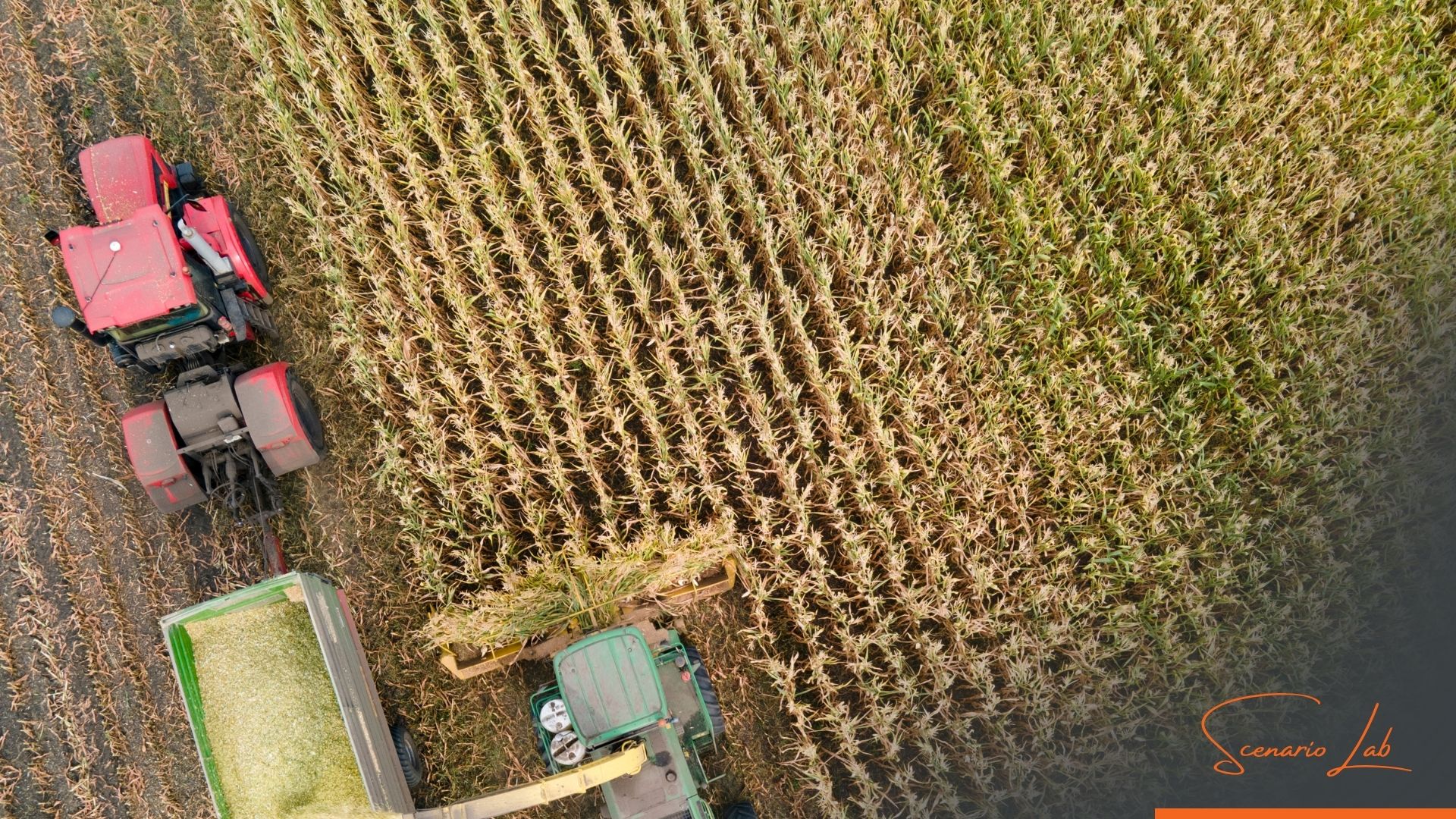
SCENARIO (Sept 8, 2026):
A combination of climatic and geopolitical disruptions is roiling global commodities markets, but not always in ways that are readily apparent. The Iran War has clearly created volatility in energy prices and pushed fertilizer prices up, and the war between Ukraine and Russia has led to a shortage of grain and some other food staples. But global agricultural markets appear well supplied when viewed through aggregate harvest and inventory figures. This raises serious concern about hidden risks. In our scenario, hidden divergences play havoc with portfolio assumptions, with market signals appearing too suddenly to be mitigated by quick reallocation.
Aggregate figures tend to conceal divergent conditions across crops and regions, all of which are being exacerbated by climate extremes and geopolitical disruption. Tariffs, too, are leaving some commodities and exporters with little effective supply cushion even when global production remains strong. As markets continue to price agriculture through broad global indicators, localized shortages begin creating sharper movements in commodity prices, food inflation, and capital flows. What appears to be a comfortable global harvest becomes a fragmented system of increasingly concentrated supply risk.
Global agriculture is not a single supply system.
Wheat, corn, rice, soybeans, and other commodities depend on different growing regions, weather patterns, input requirements, inventories, and trade routes. A strong harvest in one region can therefore offset a poor harvest elsewhere in global statistics without replacing the specific supply that individual markets require.
This creates an important distinction.
The world can have plenty of food while a particular crop, exporter, or importing region becomes increasingly constrained.
Climate variability reinforces the divergence. Weather conditions affect crops differently depending on geography and the stage of production. Some regions experience rising yield volatility even when global yield statistics appear relatively stable.
Input markets add another layer.
Fertilizer availability and affordability influence planting decisions and yields, but the effects do not appear immediately. A disruption to fertilizer supply today can reduce application rates, alter planting decisions, and weaken future harvests after the original price shock has faded.
Trade concentration compounds the problem.
When a major exporter experiences a production or policy shock, buyers do not necessarily have access to an equivalent pool of alternative supply. They compete for the remaining exporters, driving prices higher even when aggregate global inventories appear adequate.
The system therefore has two different measures of resilience.
There is global supply resilience—how much food exists overall.
And there is market resilience—how much accessible supply remains available to the buyers that actually need it.
This is where the asymmetry lies.
Aggregate harvest figures can remain comfortable while the marginal supply supporting global prices becomes increasingly concentrated and vulnerable.
The most immediate effects appear across individual commodity markets, farm margins, and trade flows.
Weather or input disruptions reduce yields in exposed regions, tightening supply for specific crops even when aggregate global production remains strong.
The most glaring anomaly is the complete decoupling of input costs from crop values, which has pushed the gap between what farmers spend and what they receive to a 10-year high.
Fertilizer and energy costs increase production expenses, squeezing farm margins and influencing planting decisions.
Import-dependent markets face higher procurement costs as buyers compete for alternative supplies, while producers with favorable harvests or access to constrained export markets gain pricing power.
Financial markets begin differentiating between agricultural producers, processors, fertilizer companies, transport operators, and food manufacturers according to their exposure to individual crops and regions.
The divergence spreads from individual harvests into trade flows, food inflation, and capital allocation.
Importers begin competing for supplies from a smaller group of reliable exporters. Inventories are drawn down and buyers increase precautionary purchasing as confidence in future availability weakens.
This changes the relationship between global supply and local prices.
A commodity can remain adequately supplied in aggregate while becoming expensive in the markets that depend on a particular exporter, crop grade, or trade route. Prices therefore begin reflecting the location and accessibility of supply, not simply the amount produced worldwide.
Input constraints reinforce the cycle.
Higher fertilizer costs reduce the ability or incentive of some producers to maintain application rates. The resulting supply impact appears later, creating a delayed shock that can arrive after markets have already moved on from the original fertilizer disruption.
Commodity substitution creates another transmission channel.
When one crop becomes expensive, producers, livestock operators, food manufacturers, and biofuel markets shift toward alternatives. Demand moves across commodities, tightening markets that initially appeared well supplied.
The effects become increasingly macroeconomic.
Food prices rise unevenly across economies, with import-dependent countries facing greater exposure. Central banks can therefore encounter renewed food inflation even when headline global agricultural production remains historically strong.
Capital begins following the divergence.
Efficient exporters, diversified producers, fertilizer suppliers, and regions with reliable water and infrastructure become relatively more attractive, while concentrated exposure to vulnerable crops and regions becomes increasingly costly.
What appears to be a global supply surplus becomes a redistribution of scarcity.
A major producing region suffers a severe yield loss while aggregate global production remains relatively stable. Markets initially treat the disruption as manageable, but available export supply tightens rapidly for the affected crop.
Prices rise sharply as buyers compete for a limited pool of reliable supply. But they’re also falling in some cases due to bumper harvests and, in the case of coffee, a meme effect. Fertilizer prices have surprised downward, too, as supply chains stabilize even as they remain terribly vulnerable to events in the Black Sea warzone. More specifically:.
• Cocoa's Aggressive Rebound: After a sharp reset earlier in the year, cocoa futures have experienced a staggering resurgence, surging more than 130% since their February lows. Ongoing structural damage, aging tree stocks, and renewed crop anxieties in West Africa related to the El Nino continue to trigger scarcity premiums.
• Phosphate and Specific Fertilizers: While some input costs are cooling, phosphate fertilizers (MAP and DAP) remain highly elevated. Supply continues to be incredibly constrained due to Chinese export restrictions and high sulfur costs.
• Biofuel-Driven Oilseeds: Soybean oil and palm oil are seeing upward pressure. This is heavily supported by domestic renewable diesel blending mandates and aggressive biofuel policies. Indonesia, for instance, is pushing to mix 50% palm oil into its fuel supply.
• Row Crops & Grains (Corn, Wheat, Soybeans): Grains are deeply bearish due to abundant global supplies and record production. Wheat and corn prices sit sharply below their historical highs, driving down farm revenues globally.
• Coffee Supply Relief: Following a wildly volatile period where futures entered "meme stock territory" due to speculative trading, coffee prices are finally easing. Heavy harvest progress in Brazil—which is tracking toward a record crop—is generating a comfortable global surplus.
• Nitrogen and Urea Fertilizers: Nitrogen-based inputs like Urea and UAN28 have led recent market declines, dropping 5% to 8% month-over-month as supply lines normalize and massive Indian supply tenders outpace global demand.
Fertilizer-to-Yield Feedback Shock
Fertilizer prices remain elevated long enough to alter planting decisions and application rates across major producing regions. Reduced input use lowers subsequent yields, creating a delayed supply shock after the initial fertilizer disruption has faded.
Export Concentration Shock
A weather, geopolitical, or policy disruption reduces output from a major exporter. Alternative producers cannot immediately replace the lost supply because of geographic, infrastructure, quality, or trade constraints.
A regional production problem becomes a global price shock.
Food Inflation and Monetary Policy Shock
Diverging crop outcomes push selected food prices higher even while aggregate agricultural production remains adequate. Food inflation becomes more persistent, complicating monetary policy and increasing pressure on import-dependent economies.
Agricultural Trade Fragmentation
Governments respond to uneven domestic supply by restricting exports, building strategic inventories, or redirecting trade toward preferred partners.
These measures reduce the amount of agricultural supply available to open markets, amplifying the original physical shortage.
Cross-Commodity Correlation Shock
A disruption in one agricultural market spreads through substitution, feed demand, biofuel production, and investor positioning. Commodities that initially appear unrelated begin moving together, reducing the diversification benefit of agricultural portfolios precisely when volatility increases.
Structural Capital Reallocation
Investors increasingly differentiate agricultural assets according to exposure to water, fertilizer, geography, crop concentration, infrastructure, and export access. Capital moves toward more resilient producers and regions while vulnerable agricultural assets face higher risk premiums.
Want to stay ahead of such risks? Check out Caminos, Chantico Technology’s risk modeling tool for institutional investors and portfolio and asset managers. Chantico integrates real-time data analysis with intuitive tools like scenario-based risk modeling and conviction-building visualizations.


